Milkbutter: A Warm Handwritten Font for Editorial Design
There is a specific kind of quiet satisfaction that comes from finding the perfect typeface for a project. I was recently tasked with redesigning the cover and chapter openers for a seasonal recipe ebook, a digital product meant to feel like a cherished family journal passed down through generations. The content was rich and comforting, but the initial layout felt too sterile, dominated by rigid sans-serif headers that clashed with the warmth of the food photography. I needed something softer, something that whispered rather than shouted. That is when I discovered Milkbutter.
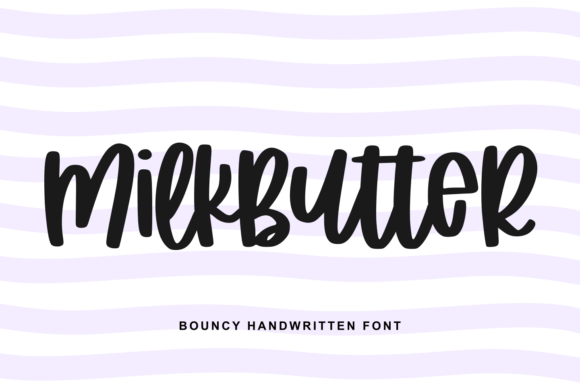
Milkbutter is not just another script font; it is a playful handwritten typeface that brings immediate warmth, personality, and a touch of sweetness to every design. As I began testing it in my layout software, the difference was palpable. With its smooth curves, tall letterforms, and naturally flowing strokes, this font instantly transformed the mood of the page. It felt less like a digital asset and more like an invitation to slow down and savor the moment. For creators building lifestyle blogs, wedding guides, or coaching workbooks, finding a display font that balances legibility with artistic flair is often the hardest part of the editorial process. Milkbutter solves this elegantly.
The Visual Rhythm of a Modern Script
When evaluating a premium font for a publication, visual rhythm is everything. In traditional editorial design, we look for consistency in stroke weight and spacing, but with a creative font like Milkbutter, the goal is to capture the organic variation of real handwriting without sacrificing readability. The tall letterforms give it a distinct presence on the page, making it ideal for titles and headers where you need to grab attention immediately. Yet, the curves are never overly ornate or distracting. They flow naturally, mimicking the motion of a pen gliding across paper.
I tested Milkbutter as the primary title font for the ebook's cover. The result was a striking contrast against the clean, minimalist background. The font’s inherent playfulness suggested that the recipes inside were approachable and fun, not intimidating culinary challenges. This is the power of thoughtful typography; it sets the emotional tone before a single word of body copy is read. Whether you are designing a newsletter graphic, a printable planner, or a course PDF, the ability of a typeface to convey mood is crucial for audience engagement.
Defining Your Publication Identity
In the world of independent publishing and digital product creation, brand identity is often built on small details. The choice of a script amp or a handwritten font can be the defining factor between a generic template and a unique, memorable brand. Milkbutter offers a level of character that standard system fonts simply cannot match. It feels personal, as if the author took the time to hand-write the greeting for each reader. This sense of intimacy is particularly valuable for creators in niches like wellness, parenting, home decor, and artisanal food.
However, using a decorative font requires strategic placement. While Milkbutter is stunning for blog headers, article titles, magazine covers, and pull quotes, it is not designed for long-form reading. Just as you would not use a bold serif font for a delicate caption, you should not use a flowing script for paragraphs of instructional text. The eye needs to rest on consistent shapes to maintain focus over long periods. Therefore, the most effective way to utilize Milkbutter is within a strong hierarchy, reserving it for moments where you want to emphasize emotion, introduce a new section, or highlight a key takeaway.
Strategic Pairing for Readability and Flow
One of the most critical aspects of modern typography is font pairing. To make Milkbutter work effectively in a complex layout, such as a digital magazine or a multi-page workbook, it needs a partner that provides structure and clarity. During my ebook project, I paired Milkbutter with a clean, neutral sans-serif font for the body copy. This combination created a beautiful balance: the warmth of the script invited the reader in, while the crispness of the sans-serif ensured the instructions were easy to follow.
This pairing strategy works equally well for web design and social media graphics. Imagine a blog post about self-care routines. The headline, written in Milkbutter, draws the eye with its gentle curves. The subheadings might use a simple serif font to add a touch of sophistication, while the navigation and captions remain in a legible sans-serif. This visual variety guides the reader through the content, creating a journey that is both aesthetically pleasing and functionally sound. By understanding the strengths of each typeface, designers can create layouts that respect the reader's experience while showcasing their unique style.
Practical Considerations for Digital and Print
Before committing to a font for a commercial project, there are practical elements to consider. Does the typeface include the necessary styles? Are there alternates or ligatures that add extra flair? When I downloaded Milkbutter, I found that the file formats were robust, supporting both screen and print applications. For those planning to sell templates, printable guides, or paid newsletters, checking the commercial font licensing is essential. You must ensure that the license covers your intended use, whether that is embedding in a PDF, using in a client publication, or distributing as part of a digital download.
Readability across different devices is another key factor. On mobile screens, tall letterforms like those in Milkbutter can sometimes appear cramped if the size is too small. It is important to test your headlines on various devices to ensure the script remains clear and inviting. In my case, I adjusted the tracking slightly for mobile views to prevent the letters from touching, maintaining the airy, relaxed feel of the design. Additionally, multilingual support is vital for global audiences. If your content reaches readers outside of English-speaking regions, verifying that the font supports the necessary characters will save you from significant redesign headaches later.
Crafting a Better Reading Experience
Ultimately, the goal of any editorial design is to facilitate a better reading experience. Typography is the bridge between the creator's message and the audience's understanding. When used correctly, a font like Milkbutter does more than just decorate a page; it enhances the narrative. It adds a layer of human connection that resonates with readers who are tired of cold, corporate aesthetics. Whether you are launching a new coaching workbook, updating your lifestyle blog header, or designing a wedding guide, the right typeface can elevate your entire project.
As I finalized the recipe ebook, the final pages felt cohesive and warm. The Milkbutter headers acted as gentle signposts, guiding the reader through chapters with a sense of ease and joy. It reminded me that design is not just about rules and grids; it is about feeling. In a digital landscape saturated with information, taking the time to choose a thoughtful, high-quality font is a gesture of care toward your audience. It signals that you value their time and their experience. For anyone looking to infuse their work with personality and charm, Milkbutter stands out as a versatile and delightful choice in the world of script fonts.
From the first draft to the final export, the journey of selecting the right design assets is rewarding. Milkbutter proved to be more than just a tool; it was a collaborator in bringing the vision to life. If you are ready to move beyond generic templates and create content that truly reflects your brand's soul, exploring this playful, sweet, and professional typeface might be the next step in your creative evolution.