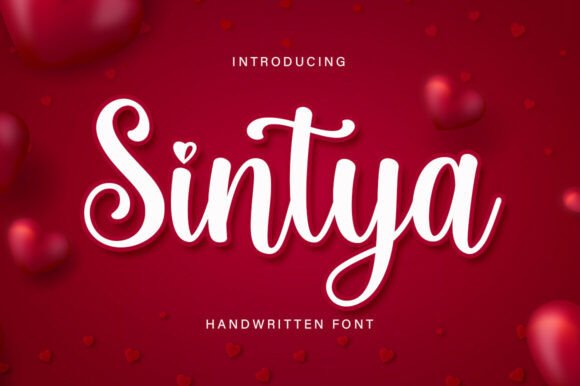
Sintya Script: A Bold Handwritten Font for Editorial Design
I was staring at a blank canvas on my screen, the cursor blinking rhythmically against the white space. I had just finished drafting the content for a new seasonal recipe ebook, but something felt off. The layout was clean, the photography was warm, yet the title page lacked that essential spark of personality. It needed to feel less like a digital document and more like an invitation to a cozy kitchen gathering. That is when I decided to test Sintya Script, a handwritten brush font that promised to bring bold expression and effortless style to my project.
As an editorial designer who spends countless hours curating visual identities for blogs and digital publications, I know that typography is often the silent narrator of a story. It sets the mood before a single word is read. When exploring new Fonts within the Script Amp category, I am always looking for a balance between artistic flair and functional readability. Sintya Script immediately caught my eye because it does not just mimic handwriting; it captures the energy of real brush lettering with natural strokes and dynamic movement.
The Moment the Layout Came Alive
My initial hesitation with script fonts usually stems from legibility. Many display fonts are so decorative that they become difficult to parse, especially on smaller screens or in quick-scrolling feeds. However, as I began typing the chapter titles for the recipe ebook using Sintya Script, the difference became apparent. The characters feature a crafted weight that feels substantial without being heavy-handed. The thick downstrokes and fluid upstrokes create a rhythm that guides the eye naturally across the page.
I applied the font to the main header of the "Autumn Harvest" section. Instantly, the design shifted. The text no longer sat flat on the page; it seemed to float with a sense of organic motion. This is the hallmark of a premium display font. It commands attention while maintaining an approachable, human touch. For a lifestyle blog redesign or a digital magazine layout, this kind of visual hierarchy is crucial. It tells the reader exactly where to look first, establishing a clear path through the content without shouting.
Defining Mood and Brand Identity
Beyond mere aesthetics, choosing the right typeface is about defining brand identity. If you are creating a coaching workbook, a wedding guide, or a printable planner, the font you choose speaks volumes about your audience. Sintya Script exudes confidence and creativity. It is expressive enough to stand out in social media graphics yet refined enough to anchor a professional newsletter header.
In my testing, I found that the font works exceptionally well for pull quotes and section headings. Imagine a long-form article on sustainable living; breaking up the dense body copy with a quote set in Sintya Script adds a layer of warmth and authenticity. It breaks the monotony of standard sans serif or serif fonts, injecting a moment of visual delight that keeps the reader engaged. This is particularly effective for independent content brands trying to differentiate themselves in a crowded digital marketplace.
Practical Applications in Modern Typography
While Sintya Script shines as a headline font, understanding its limitations is just as important as appreciating its strengths. Like most creative script fonts, it is best reserved for short bursts of text. Using it for long paragraphs can strain the reader's eyes due to the varying stroke widths and connected letters. Instead, I recommend pairing it with a highly readable companion font.
For my recipe ebook, I paired Sintya Script with a clean, modern sans serif font for the ingredient lists and instructions. The contrast was striking: the bold, expressive title drew the reader in, while the crisp, neutral body copy ensured the information was easily digestible. This principle of font pairing is fundamental to successful editorial design. Whether you are designing packaging, a course PDF, or a blog post, the interplay between a decorative display font and a functional text font creates a balanced and professional look.
Consider the versatility of this combination across different mediums:
- Blog Headers: Use Sintya Script for the main H1 tags to establish a unique voice, keeping the navigation menu in a simple sans serif for clarity.
- Ebook Covers: The dynamic movement of the font makes it perfect for cover titles that need to pop on thumbnail views in online stores.
- Printable Planners: Section dividers and motivational headers benefit from the handcrafted feel, making the user experience feel personal and curated.
- Digital Magazines: Feature articles can use the font for drop caps or introductory lines to add a touch of elegance.
Readability Across Devices and Formats
One of the primary concerns when selecting a handwritten font for digital projects is how it renders on mobile devices. With the majority of web traffic coming from smartphones, a font must remain legible at smaller sizes. During my review, I tested Sintya Script on various screen resolutions. The character spacing and stroke definition held up remarkably well. Even at reduced sizes for mobile layouts, the distinct shapes of the letters remained clear, ensuring that the message was not lost in translation.
For print materials, such as a wedding guide or a high-quality zine, the font's texture adds a tactile quality that mimics actual ink on paper. When exporting to PDF for client publications or paid newsletters, the vector-based nature of the file ensures sharp edges and smooth curves, regardless of the resolution. This reliability is essential for designers who need their assets to perform consistently across both screen and print environments.
Technical Considerations for Creators
Before integrating any new asset into your workflow, it is vital to check the technical specifications. When downloading Sintya Script, verify the included styles, alternates, and ligatures. These features allow for greater customization, enabling you to tweak specific characters to fit your design needs perfectly. For instance, having access to alternate glyphs can prevent repetitive patterns in words like "the" or "and," adding a subtle layer of sophistication to your logo design or branding elements.
Additionally, always confirm the multilingual support if your content targets a global audience. While many script fonts focus on Latin characters, expanding your reach requires ensuring the typeface supports the necessary character sets. Finally, never overlook the licensing terms. As a creator selling templates, ebooks, or offering design services, you must ensure you have the appropriate commercial license. Using a commercial font legally protects your business and respects the work of the type designer.
Designing with intention transforms a simple document into a memorable experience. By choosing a tool like Sintya Script, you are not just selecting a font; you are curating an atmosphere. Whether you are crafting a newsletter graphic, setting up a workshop worksheet, or refining your blog's visual language, the right typeface acts as the bridge between your content and your audience. It invites them in, holds their attention, and leaves a lasting impression of care and craftsmanship.