Brisella Script: A Handwritten Typeface for Editorial Design
The cursor hovered over the blank canvas of the new newsletter header, a moment of quiet hesitation familiar to anyone who has ever shaped words into visual stories. The content was ready—a gentle guide on seasonal wellness—but the typography needed to whisper rather than shout. In editorial design, the choice of typeface is never just about aesthetics; it is about setting the emotional temperature of the entire piece. After scrolling through countless options in the Script Amp category, I landed on Brisella Script. It felt less like a selection and more like a discovery of a missing voice.
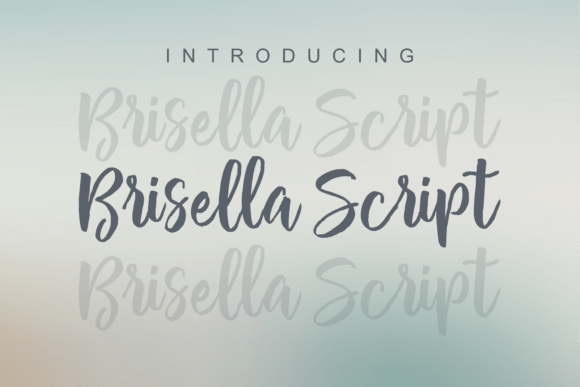
Brisella Script is not merely another decorative font added to a crowded library. It is a beautiful handwritten font with a natural flow and an elegant touch that immediately signals warmth and authenticity. As I began to test it against the layout, the soft, feminine, and stylish look it promised became evident. Unlike rigid geometric scripts that can feel forced or overly mechanical, this typeface breathes. The strokes vary in thickness with a rhythm that mimics the human hand, creating an immediate connection between the reader and the creator.
Finding the Rhythm in Editorial Layouts
In my recent project redesigning a digital lifestyle magazine, the challenge was to modernize the brand without losing its soul. We needed a display font that could handle large headlines with grace while remaining legible on mobile screens. Brisella Script stepped into the role of the primary title font with surprising ease. Its curves are fluid but controlled, ensuring that even at larger sizes, the letters do not lose their structure. This makes it an excellent choice for cover text, chapter openers, and pull quotes where you want to draw the eye and invite the reader in.
When applied to a section heading for a feature on mindful living, the font’s personality shone through. It didn’t compete with the accompanying photography; instead, it complemented it, adding a layer of sophistication that a standard sans serif font simply could not achieve. The visual hierarchy remained intact because the script’s distinctiveness naturally separates it from the body copy. This separation is crucial in editorial design, as it guides the reader’s journey through the content without causing cognitive fatigue.
Practical Applications for Content Creators
The versatility of Brisella Script extends far beyond magazine covers. For creators building digital products, this premium font offers a wealth of possibilities. Imagine a recipe ebook where the dish names are rendered in this elegant script; the result is an immediate sense of care and culinary artistry. Similarly, for a wedding guide or a bridal planning workbook, the font provides the romantic, timeless aesthetic that clients often seek. It transforms a simple PDF document into a tangible experience, elevating the perceived value of the digital product.
I also tested Brisella Script in the context of social media graphics and printable planners. On Instagram stories, where space is limited and attention spans are short, the font’s clarity ensures that key messages stand out. The ligatures and alternates included in the font file allow for subtle variations that keep the design fresh across multiple posts. Whether designing a coaching worksheet or a course outline, the font adds a personal signature that feels bespoke. It is a creative font that works hard to establish a strong brand identity without requiring excessive graphic embellishment.
Navigating Readability and Usage Limits
While Brisella Script is stunning for titles and accents, a responsible review must address its limitations regarding readability. Like most expressive script fonts, it is not designed for long-form body copy. Attempting to use it for dense paragraphs, small captions, or formal reports would compromise legibility and frustrate the reader. The intricate loops and connecting strokes require space to breathe. Therefore, it is best reserved for headlines, subtitles, and decorative accents where the word count is low.
For screen reading, particularly on smaller mobile devices, it is essential to ensure adequate spacing and size. When exporting layouts for print, such as high-resolution brochures or packaging design, the font holds up beautifully, maintaining its smooth edges and character. However, always check the minimum recommended point size before committing to a final print run. Understanding these boundaries is part of mastering modern typography; knowing when to use a script and when to switch to a clean sans serif font or a traditional serif font for body text is what defines professional design.
Mastering Font Pairing for Balance
The true power of Brisella Script is unlocked through thoughtful font pairing. Because the script is so organic and flowing, it pairs exceptionally well with structured, neutral typefaces. For the lifestyle blog redesign, I paired it with a classic, highly readable serif font for the article body. The contrast between the handwritten elegance of the headers and the grounded stability of the body text created a sophisticated editorial mood. This combination allows the script to shine as the focal point while the serif font ensures the content remains accessible.
Alternatively, for a more contemporary look, such as a tech-focused newsletter with a human angle, pairing Brisella Script with a clean sans serif font for navigation and captions creates a striking modern aesthetic. The juxtaposition highlights the unique character of the script while keeping the overall interface user-friendly. These pairings are essential for maintaining consistency across different platforms, from web design to printed materials. They help build a cohesive publication identity that readers can recognize instantly.
Licensing and Technical Considerations
Before integrating any new design asset into a commercial project, it is vital to verify the licensing terms. Brisella Script is available as a commercial font, which means it can be used in ebooks, templates, paid newsletters, and client publications, provided you adhere to the specific license agreement. Always confirm the included styles, weights, and multilingual support to ensure the font meets your project's technical requirements. Does it support the characters needed for your audience? Are there enough alternates to avoid repetitive letterforms?
Checking these details upfront prevents legal issues and ensures a smooth workflow. Whether you are an independent author self-publishing a memoir or a design agency crafting a brand identity package, understanding the scope of your commercial font license is non-negotiable. It protects your work and respects the labor of the type designer. With the right license and the right application, Brisella Script becomes more than just a file; it becomes a foundational element of your visual storytelling toolkit.
As I finalized the newsletter layout, the header in Brisella Script seemed to complete the story. It brought a softness to the digital page that resonated with the content’s message. In a world of bold, blocky headlines, choosing a font with a natural flow and an elegant touch can be the difference between a generic post and a memorable experience. For bloggers, publishers, and designers seeking to infuse their work with personality and grace, this typeface offers a compelling solution. It reminds us that even in digital spaces, the human touch remains the most powerful design element of all.