Counter Script: A Refined Typeface for Editorial Design
The cursor hovered over the blank canvas of the new newsletter header, a moment of quiet hesitation familiar to anyone who has ever shaped words into visual stories. I was redesigning a lifestyle blog's digital presence, aiming for a tone that felt intimate yet authoritative, personal but not casual. The body copy was set in a clean, modern serif font, offering perfect readability for long-form articles, but the headlines lacked soul. They were functional, yes, but they didn't whisper the elegance required for a brand focused on slow living and curated aesthetics. That is when I turned my attention to Counter Script.
In the world of Fonts, particularly within the Script Amp category, finding a typeface that balances decorative flair with genuine legibility is often a challenge. Many script fonts lean too heavily into the ornamental, becoming difficult to decipher at smaller sizes or on mobile screens. Counter Script, however, arrived as a delicate and refined solution. It emanates a sophistication that immediately elevates the mood of any layout, proving itself to be more than just a decorative accent.
Defining the Visual Character of Counter Script
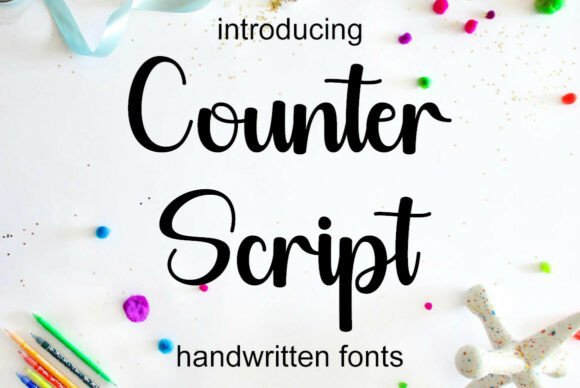
At its core, Counter Script is a display font designed to capture the essence of handwritten elegance without sacrificing structure. When I first loaded it into my design software, the rhythm of the letters stood out immediately. Unlike many erratic handwritten fonts that feel chaotic, this typeface maintains a consistent baseline and a fluid connection between strokes. It feels like a premium font because of its attention to detail; the counters—the enclosed spaces within letters like 'e' or 'o'—are open and clear, preventing the text from looking muddy even at moderate weights.
The personality of Counter Script is one of calm confidence. It does not shout for attention but rather invites the reader in with a soft, welcoming gesture. This makes it an ideal choice for editorial design projects where the mood needs to be sophisticated. Whether you are creating a wedding guide, a high-end recipe ebook, or a coaching workbook, this font sets a tone of exclusivity and care. It transforms simple titles into moments of visual delight, acting as the bridge between the raw content and the polished final product.
Integrating Counter Script into Content Layouts
Testing the font in a real-world scenario revealed its versatility. For the lifestyle blog redesign, I applied Counter Script to the main article headers and the pull quotes scattered throughout the text. The contrast between the sharp, geometric lines of the sans-serif navigation menu and the flowing curves of the script created a dynamic visual hierarchy. The eye was naturally drawn to the headlines first, establishing a clear path through the content before settling into the body copy.
This approach works exceptionally well for various digital products. Imagine a printable planner where the daily sections need a touch of warmth; Counter Script serves beautifully here as section dividers. In a digital magazine layout, using this creative font for cover lines can instantly differentiate the publication from competitors relying on standard block letters. Even in social media graphics, where space is limited and impact is paramount, the font's distinct character ensures that key messages stand out against busy backgrounds.
However, understanding the limitations of a script font is just as important as appreciating its strengths. While Counter Script is stunning for titles, subtitles, and short phrases, it is not suitable for body copy. Using a complex script font for dense paragraphs or small captions can strain the reader's eyes and hinder comprehension. In formal reports or technical documentation, the expressive nature of this typeface would likely feel out of place. It is best reserved for moments where emotion and style take precedence over pure information density.
Strategic Font Pairing for Readability
One of the most critical aspects of successful typography is pairing. To let Counter Script shine, it requires a partner that grounds it. In my project, I paired it with a neutral sans-serif font for subheads and a classic serif for the main body text. This combination follows a fundamental rule of modern typography: contrast. The simplicity of the supporting fonts allows the intricate details of the script to breathe without competing for attention.
For those designing course PDFs or educational workbooks, this pairing strategy ensures that while the chapter openers feel inspiring and personal, the instructional content remains accessible and easy to digest. When creating packaging design or branding assets, this same logic applies. A logo utilizing Counter Script conveys a sense of bespoke craftsmanship, while the supporting text ensures the consumer understands exactly what the product is. The goal is always to support the brand identity without compromising clarity.
Practical Considerations for Commercial Use
Before integrating Counter Script into any client publication, paid newsletter, or commercial template, it is essential to review the licensing terms. As a commercial font, understanding the scope of usage is vital for independent content brands and agencies alike. Does the license cover web use, app integration, or print-on-demand services? Ensuring compliance protects both the designer and the creator from future legal complications.
Additionally, checking the included features is a step often overlooked. Does the font file include ligatures, alternates, or specific stylistic sets that enhance the flow of the text? Multilingual support is another factor to consider if your audience extends beyond English speakers. A robust font family will offer these options, providing greater flexibility in how you manipulate the typeface to fit unique design needs. File formats should also be verified to ensure compatibility across different operating systems and design platforms, whether you are working in Adobe Creative Cloud, Canva, or other digital tools.
Elevating Your Publication Identity
Ultimately, the choice of typeface defines the voice of your publication. Counter Script offers a unique opportunity to infuse your content with a sense of luxury and thoughtfulness. It is not merely a tool for decoration; it is an instrument for storytelling. By carefully deploying this font in headers, pull quotes, and branding elements, you create a cohesive visual language that resonates with your audience.
Whether you are an author crafting the title page of a memoir, a blogger launching a new series, or a designer building a portfolio of editorial layouts, the right font can make all the difference. Counter Script stands out as a versatile asset that marries aesthetic beauty with functional design. It reminds us that in the digital age, where content is consumed rapidly, the small details—the curve of a letter, the spacing between words—are what linger in the mind of the reader. By embracing such refined design assets, we elevate our work from simple information delivery to an engaging, memorable experience.