Alonia Font Review: Elevating Web Design with Handwritten Elegance
I was recently tasked with refreshing the landing page for a boutique coaching brand that wanted to move away from the sterile, corporate aesthetic common in the industry. The client desired warmth, approachability, and a touch of luxury without sacrificing professionalism. As I scrolled through my library of Script Amp resources, I landed on Alonia. This beautiful and flowing handwritten typeface immediately caught my eye, promising the exact blend of elegance and charm needed to humanize the digital experience. After testing it across various layouts, devices, and color schemes, I can confidently say that Alonia is more than just a decorative element; it is a strategic tool for building emotional connection in web design.
Bringing Human Warmth to Digital Interfaces
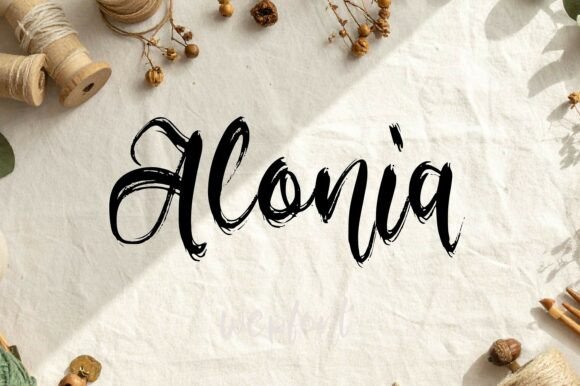
In the world of web design, we often struggle to convey personality through pixels. Standard sans serif fonts are safe and readable, but they can feel cold. Alonia changes this dynamic entirely. It mimics authentic calligraphy with graceful connections and varying line thicknesses, creating a visual rhythm that feels organic rather than manufactured. When I placed Alonia in the hero section of the coaching site, overlaying it on a soft, neutral background image, the transformation was instant. The headline didn’t just state a value proposition; it felt like a personal invitation.
This premium font excels at establishing a specific mood. Its curves are fluid but controlled, avoiding the messiness that sometimes plagues handwritten styles. For brands focusing on wellness, lifestyle, creative services, or artisanal products, Alonia serves as a powerful anchor for brand identity. It tells the user that there is a human behind the screen, someone who cares about details and aesthetics. This perception of care translates directly into trust, which is crucial for converting visitors into customers on service-based websites.
Strategic Placement and Visual Hierarchy
While Alonia is undeniably beautiful, its success in a UI context depends entirely on where you place it. Through my testing, I found that this display font shines brightest when used sparingly. It is ideal for hero headlines, section dividers, pull quotes, and short call-to-action phrases. However, it is not suitable for body copy, navigation menus, or form labels. The intricate connections and varying stroke weights that give Alonia its charm can become illegible at small sizes or in dense paragraphs.
To maintain a clean visual hierarchy, I paired Alonia with a geometric sans serif font for the main content. This contrast is essential. The simplicity of the body text allows the eye to rest, while the decorative nature of Alonia draws attention to key messages. For example, using Alonia for a "Welcome" header or a testimonial quote adds emphasis without overwhelming the user. If you are designing a course sales page or a portfolio homepage, consider using Alonia for the primary value proposition. Keep the supporting information in a clean, highly readable typeface to ensure the user experience remains smooth and accessible.
Readability Across Devices and Backgrounds
One of the biggest challenges with script fonts is ensuring they remain legible on mobile devices. During my review, I tested Alonia on various screen sizes, from large desktop monitors to compact smartphones. On larger screens, the details of the ligatures and swashes are delightful. On mobile, however, you must be cautious. I recommend increasing the line height and letter spacing slightly when using Alonia in responsive layouts to prevent the characters from touching or blending together.
Contrast is another critical factor. Alonia performs best on solid, light backgrounds or over images with sufficient negative space. Placing this handwritten font over busy textures or low-contrast colors can make it difficult to decipher. For dark mode interfaces, ensure that the font weight is bold enough to stand out against the background. If the default weight feels too thin on a dark background, consider adding a subtle text shadow or stroke, though use these effects sparingly to maintain the font’s natural elegance.
Enhancing Brand Consistency Beyond the Website
A strong brand identity extends beyond the website. Alonia’s versatility makes it an excellent choice for creating a cohesive look across all digital touchpoints. I used the same font files to design social media graphics, email headers, and digital ad banners for the coaching client. This consistency reinforces brand recognition. When a user sees the same elegant script on Instagram as they do on the landing page, it creates a seamless journey that feels professional and well-thought-out.
For those creating digital products, such as eBooks, printable planners, or online courses, Alonia can add a layer of perceived value. Using it for chapter titles or certificate templates gives these assets a polished, high-end feel. However, always check the commercial font licensing before using it in products you intend to sell. Most premium fonts come with specific terms regarding digital distribution and merchandise, so it is vital to read the license agreement to ensure compliance.
Technical Considerations for Web Implementation
From a technical standpoint, implementing Alonia requires attention to file formats and loading performance. To ensure fast-loading visual content, I converted the font files into WOFF2 format, which offers better compression for modern browsers. This helps maintain page speed scores, which are crucial for SEO and user retention. Additionally, I set up a fallback font stack that includes a generic sans serif to prevent layout shifts if the custom font fails to load immediately.
It is also important to check for multilingual support if your website targets an international audience. While Alonia supports a wide range of Latin characters, verify that it includes the specific accented characters needed for your target languages. Some script fonts may lack certain glyphs, which can break the visual flow if substituted with a different typeface mid-sentence.
Final Verdict for Digital Creators
Alonia is a standout choice for web designers and digital creators looking to inject personality and warmth into their projects. It bridges the gap between traditional calligraphy and modern typography, offering a sophisticated solution for brands that want to feel approachable yet premium. By using it strategically in headlines and pairing it with clean body fonts, you can create layouts that are both beautiful and functional.
Whether you are designing a boutique online store, a creative portfolio, or a coaching landing page, Alonia provides the emotional resonance that standard fonts often lack. Just remember to prioritize readability, respect licensing terms, and optimize for performance. When used with intention, this creative font becomes more than just text; it becomes a vital part of your digital storytelling toolkit.