Front Picture: A Handwritten Font for Authentic Branding
I was staring at a blank brand board for a small-batch coffee roaster when I realized the problem. The client wanted something approachable, human, and slightly imperfect—a stark contrast to the sterile, geometric sans serifs dominating the modern café scene. I needed a typeface that felt like it had been written by the founder during a late-night brainstorming session, not generated by an algorithm. That is when I pulled up Front Picture.
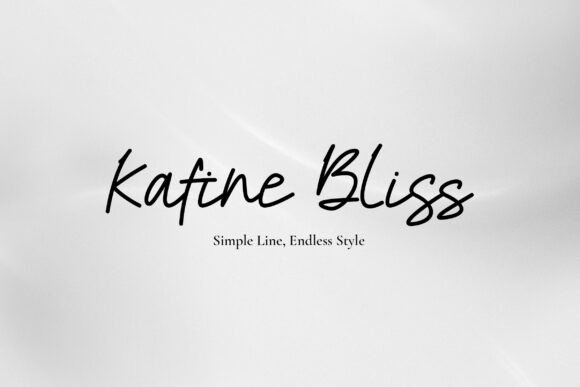
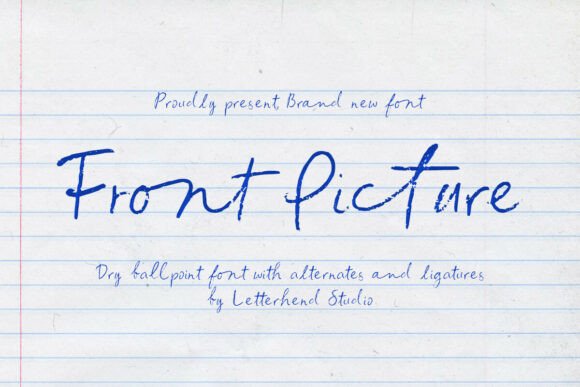
As a brand designer who has tested hundreds of script fonts over the years, I often find myself chasing a specific texture: the dry ballpoint pen on cheap notebook paper. Front Picture captures this familiar charm instantly. It blends the rough strokes of a hurried note with a relaxed, natural flow that feels genuinely organic. Unlike many decorative scripts that look too polished or overly calligraphic, Front Picture feels like a quick scribble in the margins of a journal. This unique personality makes it a standout choice among Script Amp Fonts for projects demanding authenticity.
Testing the Flow on Logo Concepts
The first thing I did was drop "Front Picture" into a logo draft. The goal was to create a mark that looked hand-drawn but remained legible at small sizes. What struck me immediately was the variation in stroke weight. The font mimics the pressure changes of a real pen, where some lines are thick and dark while others are thin and faint. This gives the letterforms a dynamic energy that static vector shapes often lack.
When I applied it to the coffee shop logo concept, the result was warm and inviting. The slightly rough edges prevented the design from feeling too corporate. However, I also noticed that because the strokes are so expressive, they need adequate spacing. In my initial test, I tightened the kerning too much, which made the letters collide awkwardly. Once I gave the characters room to breathe, the natural flow returned, and the logo felt cohesive. This is a crucial observation for any designer considering Front Picture as a logo font: respect the whitespace around the characters to maintain readability.
From Packaging to Print: Real-World Applications
After settling on the logo, I moved to packaging mockups. For a product label, Front Picture shined. I imagined a minimalist brown paper bag with the brand name printed in black ink using this typeface. The texture of the font complemented the tactile nature of the kraft paper perfectly. It communicated a "handmade" quality without needing additional imagery. In the world of packaging design, where shelf appeal is everything, this kind of visual storytelling can be a powerful differentiator.
I also tested it on business cards. Here, the limitations became apparent. While the font looks stunning as a headline or a signature element, it struggles when used for body text or contact details. The irregular baseline and varying heights make it difficult to read in long blocks or small point sizes. For a business card, I paired Front Picture as the primary display element with a clean, neutral sans serif for the address and phone number. This combination created a strong visual hierarchy, ensuring the brand felt personal while remaining functional.
Digital Presence and Social Media Graphics
In the realm of web design and social media, Front Picture offers a refreshing break from the monotony of standard web fonts. I experimented with it on a homepage hero section, overlaying the font on a high-resolution image of coffee beans. The contrast between the rough, handwritten style and the crisp photography created a compelling focal point. It felt like a direct invitation to the viewer, breaking the "fourth wall" of digital advertising.
For social media graphics, particularly Instagram stories and posts, the font works exceptionally well for short quotes, announcements, or captions. Its casual vibe aligns perfectly with the informal tone of social platforms. However, designers must be cautious about accessibility. On mobile screens, if the background is too busy, the rough strokes of Front Picture can get lost. Always ensure there is sufficient contrast and consider using a subtle drop shadow or outline to enhance legibility against complex images.
Strategic Font Pairing and Stylistic Choices
One of the most critical aspects of using a creative font like Front Picture is pairing. Because the script is so dominant and textured, it demands a partner that steps back and lets it shine. I found that a simple, geometric sans serif worked best. The sharp, clean lines of a modern sans serif provided the necessary structure to balance the organic chaos of the script. Alternatively, a classic serif font could add a touch of elegance, creating a "modern vintage" aesthetic suitable for bakeries or boutique skincare brands.
When reviewing the included styles, I appreciated the attention to detail in the alternates and ligatures. These features allow you to customize the flow of the text, making each instance of the font feel unique. If you are designing a series of posters or flyers, these stylistic variations prevent the design from looking repetitive. However, remember that Front Picture is primarily a display font. It is designed for headlines, logos, and short phrases, not for paragraphs of editorial content.
Limitations and Licensing Considerations
While Front Picture is a versatile asset, it is not a one-size-fits-all solution. It would be ill-suited for formal corporate reports, legal documents, or any context requiring strict professionalism and maximum readability. The very traits that make it charming—the roughness and informality—can undermine authority in serious settings. Additionally, avoid using it for long-form reading; the eye has to work harder to track the irregular baselines, which can cause fatigue.
Before integrating Front Picture into any commercial project, always verify the licensing terms. Whether you are creating a brand identity for a client, designing merchandise for print-on-demand, or building a website, you need the appropriate commercial license. Using a premium font without the correct rights can lead to significant legal issues down the line. Ensure you have the right to use the font across all intended mediums, including webfonts for digital applications and print files for physical assets.
Ultimately, Front Picture is more than just a typeface; it is a tool for injecting soul into a brand. When used correctly, it transforms a generic design into something that feels lived-in, authentic, and deeply human. For designers looking to capture the essence of a handmade or local business, this font from the Script Amp collection offers a genuine alternative to the polished perfection that often dominates our screens.