Magic Sketch Font: A Designer’s Honest Review
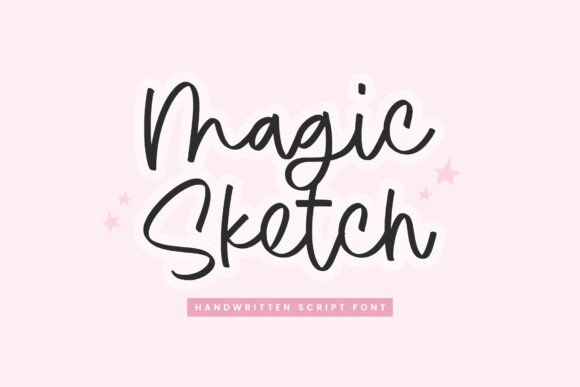
I was staring at a blank brand board for a local artisanal coffee roaster last Tuesday. The client wanted something that felt handcrafted and warm, but not overly polished or corporate. I had tried three different serif fonts and two clean sans serif fonts, but nothing captured that specific "morning ritual" vibe they were chasing. That is when I pulled up Magic Sketch. Introduced by Timurtype Studio, this handwritten script font immediately changed the trajectory of the project. It wasn’t just another typeface; it felt like a genuine human touch on a digital canvas.
As a brand designer, I am always skeptical of fonts that promise "natural" feels. Often, they look too uniform or lack the organic imperfections that make handwriting feel real. However, Magic Sketch is part of the Script Amp collection for a reason. It captures the essence of free-flowing pen strokes with a slightly rough, sketchy texture that adds immediate character. In this review, I will walk you through how this premium font performed across various design assets, from logo drafts to packaging mockups, and whether it deserves a spot in your typography toolkit.
The Visual Personality of Magic Sketch
The first thing you notice when you type out a word in Magic Sketch is the variation in stroke weight and the subtle irregularities along the edges. This is not a flaw; it is its greatest strength. The font mimics the way ink interacts with textured paper, creating a tactile sensation even on a screen. For a creative font aimed at logo design and brand identity, this level of detail is crucial. It stops the design from looking sterile.
The mood is undeniably casual yet sophisticated. It strikes a balance between playful and professional, making it versatile for industries that value authenticity. Whether you are working on a boutique identity project, a skincare product brand, or a handmade shop, this typeface communicates approachability. It does not shout for attention like a bold display font; instead, it invites the viewer in with a whisper of creativity.
Testing Magic Sketch in Real Branding Scenarios
To truly understand a font, you have to push it beyond a simple headline. I tested Magic Sketch across several key touchpoints for the coffee roaster project, and here is what I found.
- Logo Design: As a primary logotype, Magic Sketch shines. The connected letters flow naturally, creating a cohesive unit. I used it for the main brand name, and the slight roughness gave it an artisanal quality that paired perfectly with a minimalist icon. It stood out against competitors who were using generic, clean scripts.
- Packaging Design: On the coffee bag mockup, the font maintained its legibility even at medium sizes. The texture of the font complemented the kraft paper background, enhancing the overall aesthetic. It looked like it had been stamped or written by hand, which increased the perceived value of the product.
- Social Media Graphics: For Instagram posts featuring daily brew tips, Magic Sketch worked well as an accent font. It added personality to short phrases and quotes. However, I learned quickly that it should not be used for long captions. Its strength lies in brevity.
- Business Cards: Printed on thick, textured stock, the font looked exceptional. The rough edges of the letters seemed to interact with the paper grain, creating a high-end, tactile experience for anyone holding the card.
This versatility makes it a strong contender for any commercial font library. It performs reliably in web design headers, editorial design pull quotes, and social media graphics where visual impact is key.
Readability and Strategic Limitations
While Magic Sketch is beautiful, it is not a solution for every typographic need. It is primarily a display font and an accent font. You should avoid using it for body text, long paragraphs, or small print sizes. The intricate details and connected strokes can become muddy when scaled down, reducing readability significantly.
In my testing, I found that using Magic Sketch for anything smaller than 14 points on screen was risky. For printed materials, it depends on the resolution and paper quality, but generally, it is best reserved for headlines, logos, and short decorative elements. If your project requires dense information, such as a legal disclaimer or a detailed product description, stick to a clean sans serif font or a readable serif font for those sections.
Additionally, this font may not be suitable for highly formal corporate environments. Banks, law firms, or tech giants looking for a sterile, authoritative image might find the sketchy nature of Magic Sketch too informal. It thrives in spaces that value humanity, craft, and warmth.
Font Pairing and Design Harmony
One of the most critical aspects of using a handwritten font is pairing it correctly. Magic Sketch is expressive, so it needs a stable partner to ground the design. I found the best results when pairing it with geometric sans serifs. The clean lines of a modern sans serif provide a neutral backdrop that allows the script to shine without competing for attention.
For the coffee brand, I paired Magic Sketch with a lightweight, modern sans serif for the subheadings and body copy. This created a clear visual hierarchy. The script drew the eye first, establishing the brand's personality, while the sans serif delivered the information clearly. You could also experiment with a classic serif font for a more vintage or editorial look, but ensure the serif is not too ornate, as it might clash with the roughness of the script.
When building your modern typography system, consider using Magic Sketch strictly for emotional impact. Use it for the brand name, taglines, or call-to-action buttons. Let your supporting typefaces handle the heavy lifting of information delivery. This balance ensures professionalism while maintaining creative flair.
Practical Tips for Implementation
Before you commit to Magic Sketch for a client project, there are a few practical steps you should take. First, check the included styles and features. Timurtype Studio often includes alternates, ligatures, and swashes in their Fonts packages. These features allow you to customize the look of specific letter combinations, preventing repetition and adding uniqueness to your brand identity.
Second, always test the font in the actual medium it will be used. A font that looks great on a retina display might lose definition in print. Create mockups for business cards, signage, and digital banners to see how the rough edges render in different contexts.
Finally, and most importantly, review the commercial licensing terms. Ensure that your intended use—whether it is for packaging design, merchandise, websites, or digital products—is covered. Using a font without proper licensing can lead to legal issues down the line. Most reputable studios provide clear guidelines for personal and commercial use, so take the time to read them.
Magic Sketch is more than just a pretty typeface; it is a tool for storytelling. When used thoughtfully, it can transform a generic design into a memorable brand experience. It brings the human element back into digital design, reminding us that behind every brand, there is a person. For designers looking to add warmth and authenticity to their work, this creative font is definitely worth exploring.