March Culture Font: A Bold Duo for Modern Branding
I stared at the blank canvas on my screen, the cursor blinking with that familiar mix of anticipation and anxiety. The client wanted a visual identity for a new urban lifestyle boutique—something that felt raw yet refined, edgy but approachable. It is a tricky balance to strike. Too polished, and it feels corporate; too rough, and it loses credibility. I needed a typeface that could carry both weights simultaneously. That was when I pulled up March Culture, a font duo from Script Amp that had been sitting in my library waiting for the right project.
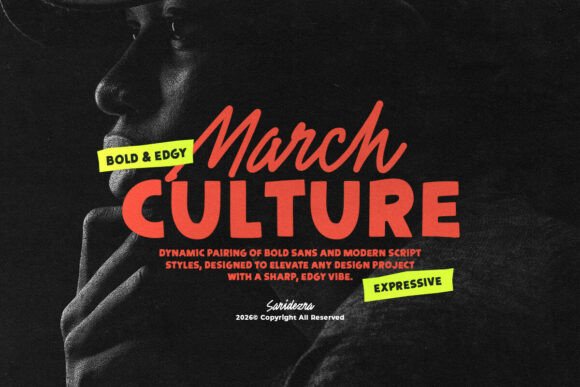
As a graphic designer, I am always skeptical of "duo" fonts. Often, they feel like two mismatched strangers forced into a conversation. But March Culture is different. It pairs a bold, structural sans serif with a modern, expressive handwritten script. The contrast is immediate and striking. I decided to test it right there on the logo draft, placing the script over the sans to see how the layers interacted. Within minutes, the mood of the brand began to take shape.
The Personality of the Typeface
What makes March Culture stand out in the crowded world of premium fonts is its attitude. The sans serif component is not just a generic geometric shape; it has weight and presence. It feels solid, reliable, and contemporary. On the other hand, the script element brings the human touch. It is not overly swirly or difficult to read, which is a common pitfall with many handwritten fonts. Instead, it flows with a natural rhythm that suggests creativity and movement.
This combination creates a visual hierarchy that is easy for the eye to follow. In branding, clarity is king. When I used the bold sans for the primary brand name and the script for a tagline or accent word, the distinction was clear. The audience knows exactly where to look first. This kind of intentional design helps build brand recognition quickly. It tells the viewer that this business is professional but also has a soul.
From Logo to Packaging: Real-World Application
Once the logo direction was approved, I moved on to the broader brand identity system. This is where a versatile font duo truly shines. I started with packaging design, creating mockups for product labels. The bold sans worked perfectly for product names and essential information, ensuring high readability even at smaller sizes. The script, however, became the hero element on the front of the package, adding that fancy, artisanal touch that consumers love.
I also tested March Culture on social media graphics. In the fast-paced feed of Instagram, you have seconds to grab attention. Using the font for quote cards and promotional posters allowed me to create consistent, eye-catching assets. The edgy nature of the typeface meant that even simple text-based posts felt like designed pieces of art. It saved me time because I did not need to hunt for additional decorative elements; the font itself provided the visual interest.
- Logo Design: The contrast allows for stacked or inline arrangements that feel balanced and unique.
- Packaging Design: Ideal for labels where clarity meets aesthetic appeal.
- Social Media Graphics: Creates engaging headers and quote images without extra clutter.
- Posters and Flyers: The bold weight ensures visibility from a distance.
Pairing and Typography Best Practices
While March Culture is a complete duo, there are times when you need more textual support for longer copy, such as in editorial design or website body text. Since the included sans is a display font, it is best reserved for headlines and short bursts of text. For paragraph content, I recommend pairing it with a neutral sans serif font or a clean serif font. This keeps the focus on March Culture for the impactful moments while ensuring readability for the detailed information.
When working with modern typography, less is often more. I found that letting the script breathe was crucial. Crowding the letters or using the script for long sentences diminishes its impact. It is an accent font, a spotlight performer. Use it for initials, single words, or short phrases. Let the bold sans do the heavy lifting for structure. This balance prevents the design from feeling chaotic and maintains a professional standard.
Technical Details and Licensing
Before finalizing any commercial font for a client project, I always check the technical specs. March Culture comes with the necessary file formats that integrate smoothly into major design software. It supports multilingual characters, which is essential for brands looking to reach a global audience. Having access to alternates and ligatures can add subtle customization options, allowing you to tweak the flow of the script to fit specific letter combinations perfectly.
Licensing is another critical aspect. Whether you are designing for a local restaurant, a skincare brand, or a creative studio, ensure you have the correct commercial license. Script Amp provides clear guidelines, making it easy to use these fonts for logos, merchandise, and digital templates without legal headaches. Knowing that the asset is cleared for commercial use gives peace of mind when handing off files to clients.
Final Recommendations for Designers
If you are a freelancer or part of a creative studio, adding March Culture to your toolkit is a smart move. It bridges the gap between rugged industrial aesthetics and soft, handmade charm. It is particularly effective for businesses that want to appear authentic and grounded. Think of coffee shops, boutique clothing lines, handmade goods, or modern consultancies.
My advice is to start small. Test the font on a business card or a simple flyer before committing to a full rebrand. See how the ink sits on paper, or how the pixels render on a mobile screen. Adjust the tracking and leading to find the sweet spot for your specific layout. Every project is different, and this font duo offers enough flexibility to adapt to various needs.
In the end, the goal of any design is communication. March Culture communicates confidence and creativity. It does not shout, but it certainly gets noticed. For designers looking to elevate their brand identity projects with a typeface that feels both current and timeless, this font duo is a worthy contender. It transforms ordinary layouts into compelling visual stories, proving that the right fonts can indeed make all the difference.