Cikgu Script: A Handcrafted Typeface for Campaigns
The deadline was tight. I was finalizing the visual assets for a mid-season product launch, specifically an online course on creative writing. The brief called for something authentic, warm, and distinctly human to cut through the noise of generic, corporate-looking promotional graphics. My usual go-to sans serif fonts felt too sterile for this particular campaign. I needed a typeface that could convey the personality of the instructor while maintaining enough legibility for social media feeds.
That is when I pulled up Cikgu Script. As I began testing it against our brand colors and layout grids, it became immediately clear why this specific script font stood out in the crowded marketplace of design assets. It wasn't just another decorative element; it felt like a genuine tool for storytelling. In this review, I want to walk you through how Cikgu Script performed in a real-world workflow, from initial concept to the final mobile preview, and discuss where this handcrafted style truly shines in your own marketing campaigns.
The First Impression: Visual Personality and Mood
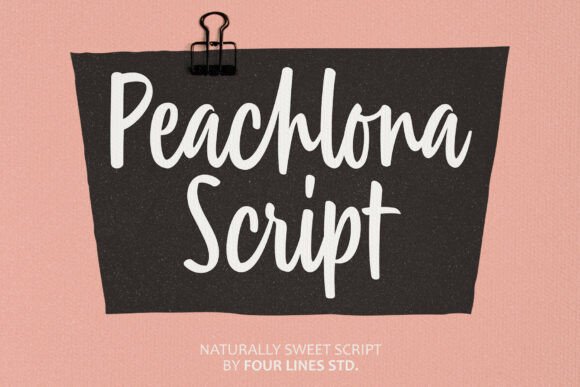
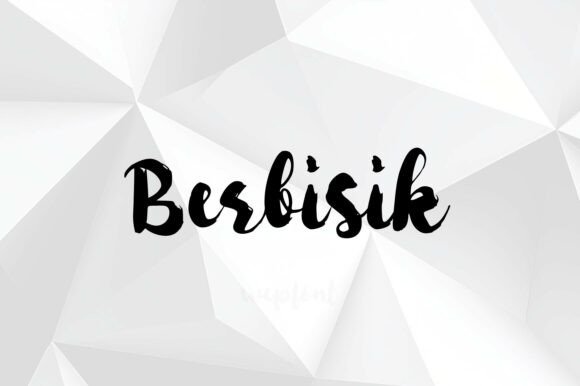
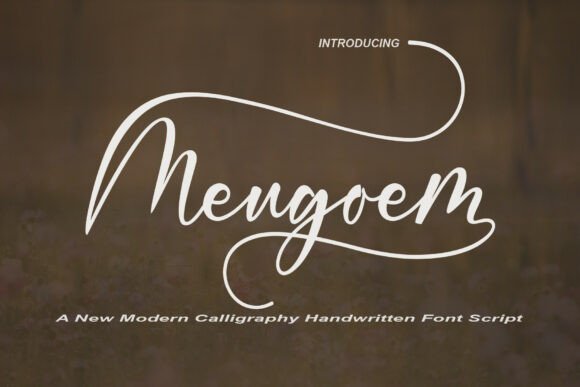
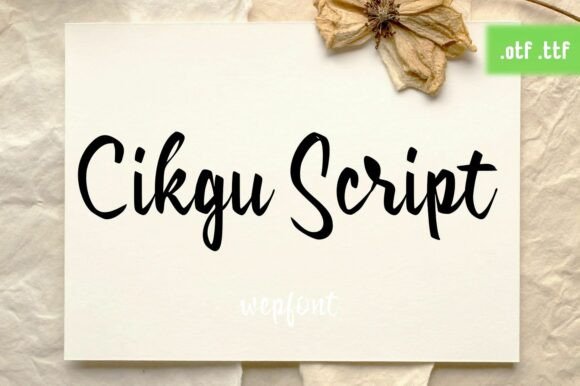
When you first load Cikgu Script into your design software, the difference is palpable. Unlike rigid, geometric display fonts, this typeface feels alive. The description mentions "uninhibited strokes," and that is exactly what you see. The letterforms mimic the natural flow of a pen moving across paper, capturing a relaxed, unique charm that resonates with audiences tired of over-polished digital content.
In the context of our campaign, the mood we wanted to set was one of approachability. We weren't selling a high-stakes financial service; we were inviting people to learn a craft. Cikgu Script delivered that invitation perfectly. The curves are soft but confident, avoiding the overly frilly or illegible traps that many script fonts fall into. It strikes a delicate balance between a casual handwritten note and a professional editorial design choice. This makes it an excellent candidate for brands looking to humanize their identity without sacrificing quality.
Testing the Font in Real Campaign Assets
To truly understand a font's utility, you have to put it under pressure. I tested Cikgu Script across several key touchpoints in our digital strategy, and here is how it held up.
Social Media Graphics and Instagram Posts
For our primary Instagram carousel, I used Cikgu Script for the main headline: "Write Your Story." Placed over a textured background image, the font popped beautifully. The contrast between the organic lines of the script and the grainy texture created a premium feel. Because the strokes are distinct, it remained readable even at smaller sizes on mobile screens, which is crucial for users scrolling quickly through their feeds. It acted as a perfect hook, drawing the eye before the user read the supporting body text.
YouTube Thumbnails and Reels Covers
Thumbnails are the billboards of the internet. They need to be legible in seconds. I paired Cikgu Script with a bold, clean sans serif font for the video title. The script handled the emotional keyword—"Creativity"—while the sans serif handled the factual part—"Masterclass." This hierarchy worked seamlessly. The script added a layer of warmth that made the thumbnail feel less like an ad and more like a recommendation from a friend.
Email Banners and Web Headers
In our email newsletter header, Cikgu Script served as a welcoming greeting. It broke the monotony of standard web typography. However, I did find that on very dark backgrounds, the lighter strokes required a subtle drop shadow to maintain readability. This is a common trait with display fonts, but it is easily managed with basic design adjustments.
Strategic Use Cases: Where to Deploy Cikgu Script
Not every font belongs in every slot. Based on my experience with this typeface, here is where Cikgu Script excels and where you should exercise caution.
- Ideal For: Short headlines, call-to-action buttons, logo-style text, campaign labels, quote graphics, and decorative titles. It is particularly effective for personal branding, lifestyle products, educational courses, and artisanal goods.
- Avoid For: Long paragraphs of body copy, dense informational tables, tiny captions, or formal corporate communications. The intricate nature of the script can become difficult to read if stretched over multiple lines or used in small point sizes.
Think of Cikgu Script as the "voice" of your message, not the entire conversation. It is a display font meant to grab attention and set the tone, while other typefaces handle the heavy lifting of information delivery.
Typography Pairing and Readability
One of the most critical aspects of using a script font like Cikgu Script is pairing. To ensure your designs remain accessible and professional, I recommend pairing it with a neutral sans serif font. The clean lines of a modern sans serif provide a stable foundation that allows the organic flow of the script to shine without overwhelming the viewer.
If you are aiming for a more traditional or elegant look, a classic serif font can also work well, provided there is enough contrast in weight. Avoid pairing Cikgu Script with other complex script fonts or heavily decorated typefaces, as this creates visual clutter and reduces message clarity. The goal is visual hierarchy: let the script lead, and let the supporting font follow.
Readability on mobile devices is non-negotiable in today's landscape. When designing for fast-scrolling feeds, ensure that the line height (leading) is generous. Crowded letters can make the script look messy on small screens. Always check your designs on a phone preview before publishing. If the script loses its definition or looks like a blob of ink, increase the size or simplify the background.
Technical Considerations for Marketers
Before integrating any new asset into a client campaign or internal brand kit, due diligence is essential. Cikgu Script comes as a commercial font, so verifying the licensing terms is a must. Ensure you have the appropriate rights for your intended use, whether that is for social media graphics, merchandise, website headers, or paid advertising campaigns.
Check the included file formats to ensure compatibility with your team's workflow. Most modern design tools support standard OTF or TTF files, but having web-font formats (WOFF/WOFF2) is beneficial if you plan to embed the typeface directly into a landing page. Additionally, verify multilingual support if your campaign targets a global audience. While Cikgu Script has a charming aesthetic, its character set might be limited compared to comprehensive system fonts.
Finally, explore the included styles, alternates, and ligatures. These features can add significant value to your design process. Ligatures can smooth out awkward letter combinations, while alternate characters allow you to customize the look for specific words, adding a bespoke touch to your logo design or packaging design projects.
Final Thoughts on Brand Consistency
Using a font like Cikgu Script is about more than just aesthetics; it is about consistency in your brand voice. In a world saturated with digital noise, a handcrafted typeface can serve as a signature element that makes your content instantly recognizable. It signals care, creativity, and authenticity.
While it may not be the right choice for every single piece of content, its strategic application in key campaign moments—such as a product teaser, a webinar banner, or a seasonal sale announcement—can significantly boost engagement. By understanding its strengths and limitations, you can leverage Cikgu Script to create visuals that not only look good but also connect deeply with your audience. Whether you are a solo creator or part of a larger marketing team, this font offers a versatile tool for bringing warmth and personality to your digital presence.