Calibra Script: A Designer's Real-World Review
In the crowded landscape of modern typography, finding a typeface that balances elegance with utility is rare. As a designer who has spent years navigating client briefs, I approach every new font with skepticism until it proves its worth on a real project. When I first encountered Calibra Script, categorized under the Script Amp family, my initial reaction was one of cautious optimism. It promises the fluidity of a handwritten font but demands the reliability of a professional tool. After testing it across various mediums, from digital ads to physical packaging, here is my honest assessment of whether this premium font deserves a spot in your design toolkit.
The First Impression: Mood and Personality
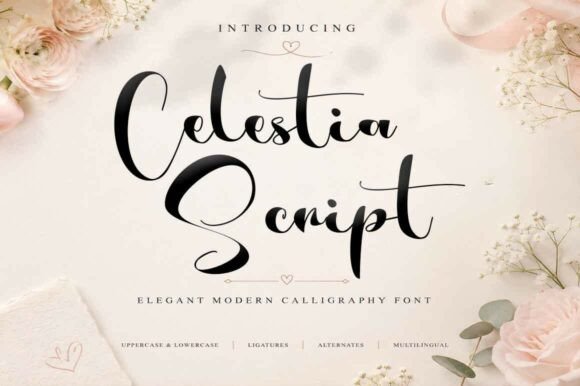
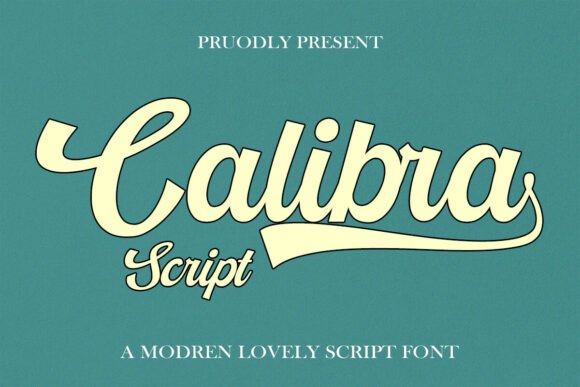
At first glance, Calibra Script exudes a confident, sophisticated energy. Unlike many decorative scripts that lean too heavily into whimsy or illegibility, this typeface maintains a structural integrity that feels grounded. The letterforms possess a natural rhythm, mimicking the flow of a steady hand without the erratic quirks often found in genuine handwriting. This creates a visual personality that is both approachable and authoritative.
The mood it establishes is one of curated luxury. It does not scream for attention; rather, it invites the viewer in with a sense of refinement. For brand owners and marketers looking to convey trust and quality, the subtle curves and consistent stroke weights of Calibra Script provide a strong foundation. It feels like a display font that respects the space around it, making it an excellent candidate for projects where the message needs to feel personal yet polished.
Performance in Real-World Design Scenarios
A font is only as good as its performance in actual application. I put Calibra Script through a rigorous gauntlet of common design tasks to see how it holds up under pressure.
Branding and Logo Design
For logo design, this script shines. Its distinct character makes it memorable, which is crucial for building a brand identity. I tested it for a fictional boutique skincare line, and the result was immediate recognition. The letters interlock naturally, allowing for tight kerning without sacrificing legibility. However, it works best when used sparingly. A full sentence logo might lose impact, but a short brand name paired with a clean sans serif font creates a stunning contrast that elevates the entire mark.
Packaging and Product Labels
In packaging design, readability at small scales is non-negotiable. Calibra Script performs admirably here, provided you respect its minimum size requirements. On product labels for artisanal goods, it adds a touch of craftsmanship that justifies a higher price point. The fluid strokes suggest care and attention to detail, qualities that consumers associate with premium products. Whether printed on glass bottles or matte paper boxes, the ink flow appears smooth, enhancing the tactile experience of the package.
Digital and Social Media Graphics
For content creators and social media managers, this creative font offers versatility. In social media graphics, particularly Instagram stories or Pinterest pins, it stands out against bold backgrounds. I found it particularly effective for overlay text on lifestyle photography. The organic nature of the script complements human subjects well, creating a cohesive narrative between the image and the typography. It also translates beautifully into Canva templates for bloggers and digital sellers, offering a unique aesthetic that moves away from generic stock designs.
Editorial and Print Assets
When applied to editorial design, such as wedding invitations or event flyers, Calibra Script delivers a classic elegance. It handles quotes and headlines with grace, turning simple phrases into focal points. For printable design assets like greeting cards or journal covers, the font provides a high-end look that appeals to crafters and small business owners selling on platforms like Etsy. It bridges the gap between digital precision and analog warmth perfectly.
Strategic Application: Where to Use and Where to Pause
While Calibra Script is versatile, it is not a universal solution. Understanding its limitations is key to maintaining professionalism.
- Use for: Large headlines, short phrases, brand marks, pull quotes, decorative accents, premium packaging, social posts, and supporting text where emphasis is needed.
- Avoid for: Long paragraphs of body copy, dense informational tables, or any context requiring rapid scanning. While beautiful, it is not designed for extended reading.
Using a script font for body text can quickly fatigue the reader's eye and undermine audience trust. Instead, reserve Calibra Script for moments where you want to slow the viewer down and make them appreciate the message. It excels as a visual anchor rather than a workhorse for data delivery.
Impact on Readability and Brand Consistency
The true test of a commercial font is its ability to support hierarchy and consistency. Calibra Script affects readability by drawing the eye immediately to the most important elements. When paired correctly, it guides the user through the visual journey without confusion. This selective focus enhances engagement, ensuring that key calls to action or brand values are not lost in a sea of text.
Regarding brand consistency, the font's distinct style ensures that your visuals remain recognizable across different platforms. From a website header to a business card, the signature look of Calibra Script reinforces brand recall. However, designers must be vigilant about spacing. Tight tracking can make the script feel cramped, while excessive spacing breaks the flow. Finding the sweet spot is essential for maintaining the professional polish that defines a strong brand identity.
Practical Designer Notes and Pairing Strategies
If you decide to integrate Calibra Script into your workflow, consider these practical steps to ensure success:
- Test in Black and White: Before committing to color, check the contrast and clarity in grayscale. This reveals any weaknesses in the stroke weight or open counters.
- Check Small-Scale Readability: Zoom out to simulate mobile viewing or small print sizes. Ensure the details do not blur into a mess.
- Mockup Everything: Never judge a font in isolation. Place it on real mockups—t-shirts, coffee cups, phone screens—to see how it interacts with texture and lighting.
- Compare Cases: Evaluate both uppercase and lowercase forms. Some scripts struggle with all-caps, losing their fluidity.
- Review Spacing: Manually adjust kerning on specific letter combinations. Automated spacing rarely gets script fonts perfect.
- Experiment with Pairings: Try Calibra Script beside a geometric sans serif font for a modern look, or a traditional serif font for a classic feel. Avoid pairing it with other script font styles or handwritten font variations, as this creates visual competition.
- Verify Licensing: Always confirm commercial licensing before using the font for client work or selling digital product assets. Ensure the license covers web use, app embedding, and merchandise if applicable.
Final Verdict
Calibra Script is more than just another decorative element; it is a strategic asset for designers who understand the power of modern typography. It brings a level of sophistication and human touch that rigid geometric fonts cannot replicate. Whether you are crafting a luxury logo, designing elegant packaging, or creating engaging social media graphics, this premium font offers the flexibility and style needed to stand out.
However, like any powerful tool, it requires a discerning hand. Used wisely, it elevates your work and builds stronger connections with your audience. Used poorly, it can clutter your design. My recommendation? Download the trial, run the tests, and let the font speak for itself in your next project. If you value quality and visual storytelling, Calibra Script is definitely worth adding to your library of design assets.