Alverina: A Modern Script Font for Elegant Editorial Design
There is a specific moment in every design project where the screen feels too static, the layout too rigid, and the message lacks the warmth it deserves. I was recently working on a digital lifestyle guide—a collection of recipes, wellness tips, and seasonal reflections—and the standard sans serif headers felt cold against the soft imagery of fresh herbs and morning light. The content was personal, yet the typography remained distant. That is when I turned to Alverina, a smooth and elegant handwritten script font that promised to bridge the gap between luxury and approachability.
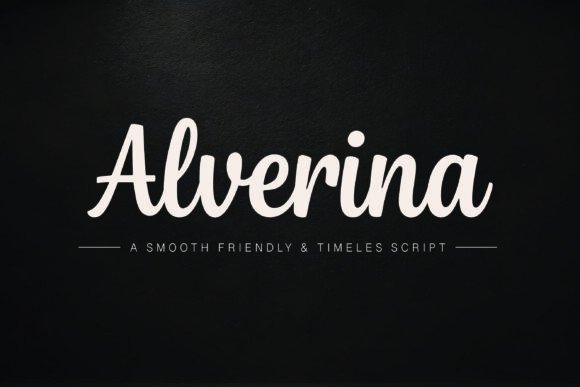
Choosing a typeface is never just about aesthetics; it is about setting the emotional tone for the entire reading experience. As I dragged the Alverina file into my design software, I immediately noticed its flowing curves and bold strokes. Unlike many script fonts that feel overly decorative or difficult to decipher, Alverina carries a warm modern personality. It feels like a signature written with confidence, yet it retains enough structure to remain legible even at smaller sizes. This balance is crucial for editorial design, where the goal is to invite the reader in without overwhelming them.
Finding the Rhythm in Handwritten Typography
When testing Alverina for the chapter openers of the guide, I focused on how the font interacts with white space. The rhythm of the letters creates a natural cadence, guiding the eye smoothly across the page. The bold strokes provide weight and authority, while the thinner connecting lines add a sense of grace. This contrast gives the text a dynamic quality that static block fonts often lack. For a publication aiming to establish a brand identity rooted in authenticity and care, this visual character is invaluable.
In the context of a lifestyle blog redesign or a recipe ebook cover, the right display font can transform a generic layout into a premium product. Alverina excels here. Its contemporary feel ensures that the design does not look dated or overly traditional. Instead, it suggests a modern sensibility that values craftsmanship. Whether used for a newsletter header or a title on a printable planner, the font commands attention without shouting. It whispers elegance, making the content feel curated and thoughtful.
Defining Visual Hierarchy with Script Amp
One of the primary challenges in using script fonts within the Script Amp category is maintaining readability while establishing hierarchy. In my layout, I experimented with using Alverina strictly for titles, subtitles, and pull quotes. I found that limiting its use to these key areas allowed the font to shine without causing visual fatigue. When paired with a clean sans serif font for body copy, the contrast created a clear distinction between the narrative voice and the structural elements of the document.
This pairing strategy is essential for web design and digital magazines. On a mobile screen, where space is limited, a large, flowing script can sometimes become illegible if overused. However, Alverina’s design supports visual hierarchy effectively. By using it for section headings, the reader instantly recognizes a shift in topic. The boldness of the strokes ensures that even on a small device, the text remains distinct from the surrounding paragraphs. This clarity helps maintain audience engagement, as readers can navigate the content effortlessly.
Practical Applications for Content Creators
The versatility of Alverina extends beyond simple headlines. I tested it across various formats, including a coaching workbook and a wedding guide template. In the coaching workbook, the font added a personal touch to affirmations and journal prompts, making the user feel as though they were receiving advice directly from a mentor. For the wedding guide, it provided the romantic flair necessary for event planning materials without slipping into cliché.
- Ebook Covers: Use Alverina for the main title to create an immediate emotional connection with potential readers.
- Newsletter Graphics: Apply the font to welcome messages or featured article teasers to break up the monotony of standard email layouts.
- Printable Planners: Utilize the script for monthly headers or motivational quotes to enhance the aesthetic appeal of productivity tools.
- Social Media Graphics: Overlay Alverina on images for Instagram stories or Pinterest pins to ensure your brand stands out in a crowded feed.
For authors and independent content brands, having a consistent visual language is key to building recognition. Alverina serves as a powerful asset in this regard. Its unique shape and flow make it memorable, helping your publications stand out in search results and social feeds. When designing a course PDF or a digital download, the font elevates the perceived value of the material, suggesting a high-quality, professional resource.
Readability and Technical Considerations
While the artistic qualities of Alverina are compelling, practical considerations must also be addressed. Readability varies depending on the medium. For print materials, such as a physical magazine or a bound book, the font renders beautifully, capturing the nuances of the ink flow. In digital exports like PDFs, it is important to ensure that the file resolution is high enough to preserve the fine details of the script. Screen rendering can sometimes soften the edges of thin strokes, so testing the final output on different devices is a necessary step.
Furthermore, understanding the included styles and features is vital for maximizing the font's potential. Before committing to a project, check for alternates, ligatures, and weights. These elements allow for subtle variations in the text, preventing repetition and adding depth to the design. Multilingual support is another critical factor for creators targeting a global audience. Ensuring that the font supports the necessary character sets prevents awkward gaps or missing glyphs in international publications.
Strategic Pairing for Editorial Excellence
To achieve a polished look, pairing Alverina with the right complementary fonts is essential. I found that a neutral sans serif font worked best for body text, providing a stable foundation that let the script breathe. Alternatively, a classic serif font could offer a more traditional, literary feel, suitable for long-form articles or novels. The key is to avoid competition; the supporting font should recede into the background, allowing Alverina to take center stage in titles and accents.
When considering commercial font licensing, always verify the terms of use. If you plan to use Alverina in paid newsletters, client publications, or products for sale, ensure the license covers these applications. Using a premium font legally protects your business and respects the work of the designer. It also ensures that you have access to updates and customer support, which can be invaluable during complex projects.
Ultimately, the choice of typeface defines the soul of a publication. Alverina offers a rare combination of sophistication and warmth, making it an ideal choice for designers who want to create content that feels both luxurious and human. Whether you are crafting a blog header, designing a wedding invitation suite, or laying out a digital magazine, this modern typography brings a level of refinement that resonates with readers. By thoughtfully integrating Alverina into your workflow, you transform simple text into an engaging visual story, inviting your audience to linger, read, and connect.